
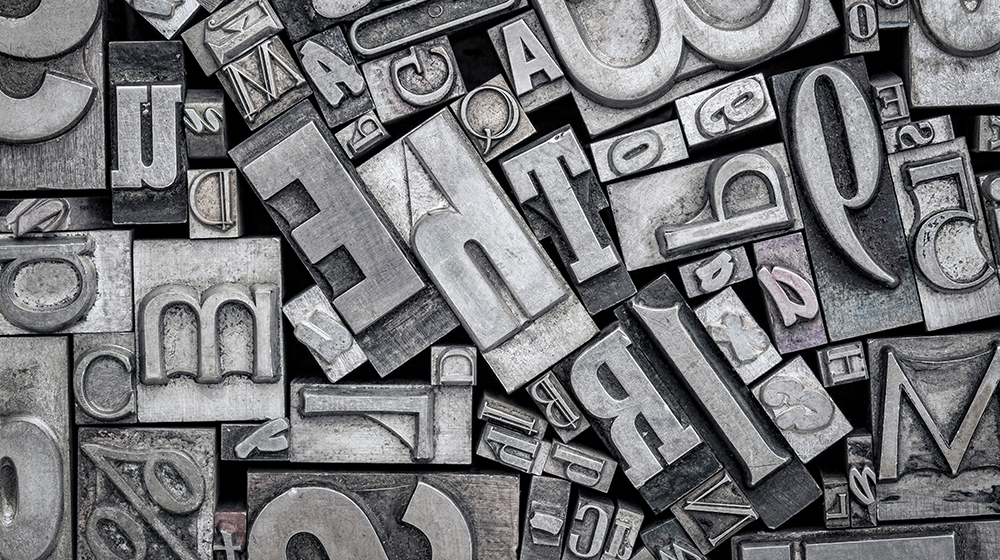
Consistency in typography creates structure and clarity. By establishing a defined set of typefaces, sizes, and styles, designers can guide the viewer through content in a logical and intuitive way. Clear hierarchies—such as headings, subheadings, and body text—help prioritise information and make content easier to navigate. Without this structure, even well-written content can become difficult to follow.
Typography also plays a key role in brand identity. Just like colour and imagery, fonts contribute to how a brand is perceived. A consistent typographic approach reinforces recognition and ensures that every touchpoint feels cohesive. In contrast, inconsistent font choices can make a brand appear fragmented or unprofessional, weakening its overall presence.
Poor typographic consistency can also impact readability. Mixing too many fonts or styles can create visual noise, distracting from the message rather than supporting it. Spacing, alignment, and proportion all need to work together to maintain balance and legibility across different formats.
At Cave, we approach typography with both precision and intent. By maintaining consistency across all visual outputs, we ensure that content not only looks refined but communicates clearly and effectively.
Ultimately, typography is more than a design detail—it’s a key part of how ideas are delivered. When used consistently, it strengthens both the message and the brand behind it.