
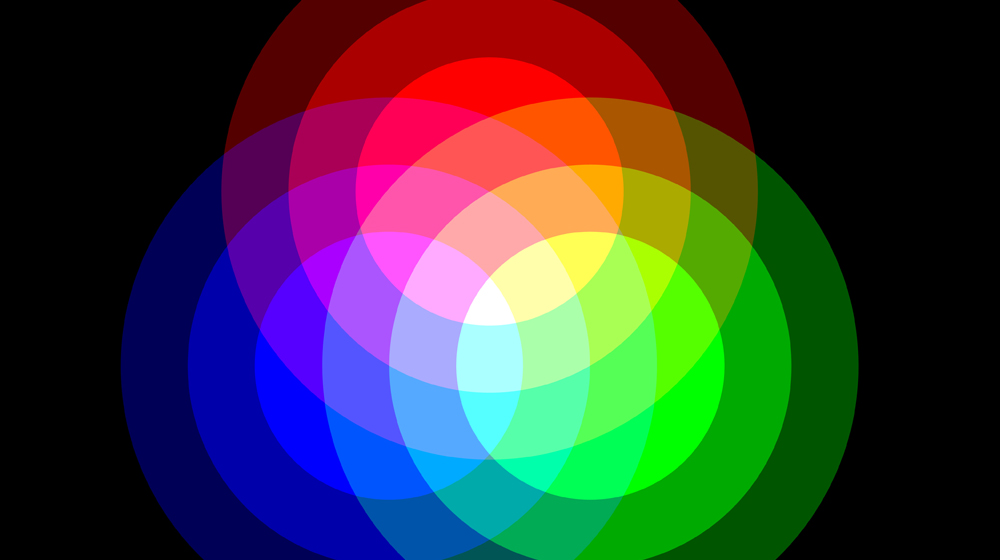
RGB stands for Red, Green, and Blue—the three primary colours of light used in digital displays. This colour mode is designed for screens, including monitors, smartphones, and televisions. By combining these colours at varying intensities, RGB can produce a wide and vibrant range of hues. This makes it ideal for digital content such as websites, animations, and 3D renders, where brightness and colour depth are key.
CMYK, on the other hand, stands for Cyan, Magenta, Yellow, and Key (Black). This is a subtractive colour model used in printing, where inks are layered to absorb light and create colour on paper. Because of the way inks interact, CMYK has a more limited colour range compared to RGB. As a result, colours that appear bright and saturated on screen may look more muted when printed.
The key difference lies in their application. RGB is optimised for light-based displays, while CMYK is tailored for physical print. Converting between the two requires careful management to avoid unexpected colour shifts, particularly when preparing files for production.
At Cave, we ensure that every project is created in the appropriate colour space from the outset. By understanding the strengths and limitations of both RGB and CMYK, we help our clients achieve consistent, high-quality visuals—whether viewed on screen or brought to life in print.