
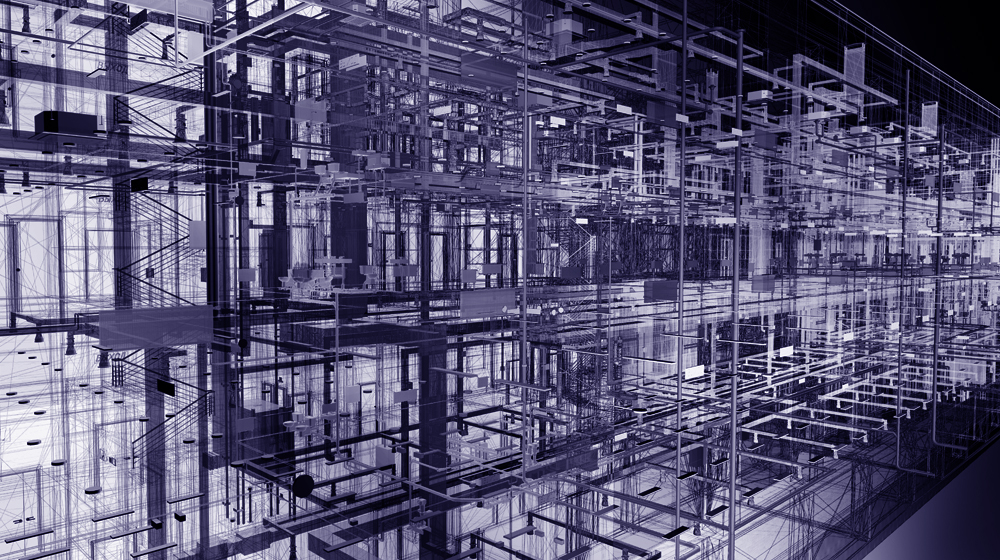
There are several key types of 3D modelling techniques, each suited to different applications. Solid modelling is widely used in engineering and CAD environments, allowing designers to create highly accurate, dimension-driven models ideal for manufacturing. Surface modelling, on the other hand, focuses on defining complex shapes and smooth surfaces, often used in automotive and product design where aesthetics are critical. Polygonal modelling is commonly used in visualisation and animation, offering flexibility and efficiency when creating detailed visual assets. Meanwhile, parametric modelling enables engineers to build intelligent models that can be easily adjusted by modifying parameters, making design iterations faster and more efficient.
Equally important is how engineers share and collaborate on CAD data. With teams often distributed across locations, seamless data exchange is crucial. Standardised file formats such as STEP, IGES, and STL ensure compatibility between different software platforms, reducing friction in workflows. Cloud-based collaboration tools further enhance this process, allowing teams to access, review, and update models in real time. Version control and data management systems help maintain accuracy and prevent costly errors.
At Cave, we bridge the gap between technical precision and visual storytelling. By combining advanced modelling techniques with efficient data-sharing practices, we empower engineers to collaborate more effectively and deliver outstanding results. Whether it’s for product development, marketing visuals, or technical presentations, our expertise ensures your ideas are communicated with impact.