
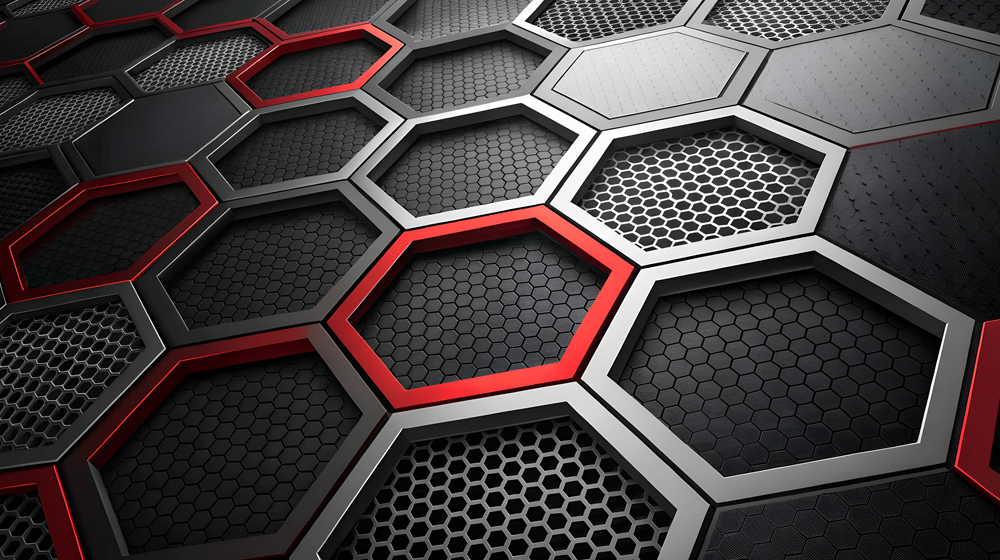
At its core, a 3D texture is an image or set of data applied to the surface of a model to define how it looks. This can include colour (diffuse maps), surface detail (normal or bump maps), reflectivity (specular maps), and even how light interacts with the material (roughness and displacement maps). Together, these elements create the illusion of real-world materials—whether it’s brushed metal, soft fabric, or polished plastic.
One of the key benefits of 3D texturing is its ability to add complexity without increasing geometric detail. Instead of modelling every tiny imperfection, textures simulate fine surface characteristics efficiently, keeping scenes optimised while maintaining visual realism. This is particularly important in high-quality rendering, where performance and detail must be carefully balanced.
Modern workflows often use physically based rendering (PBR), which ensures textures react to light in a consistent and realistic way. This allows assets to look accurate across different lighting environments, making them highly versatile for a range of applications—from product visualisation to animation and interactive media.
At Cave, we treat texturing as both a technical and creative process. By carefully crafting and applying textures, we enhance realism, reinforce brand identity, and elevate the overall quality of our visuals. The result is imagery that not only looks convincing but also tells a compelling visual story.